
THE 747 TESTING PROGRAM
The decision had been made.
All tests required for Federal Aviation Administration certification had to be completed before the end of 1969. Boeing had to carry out approximately 1500 hours of in-flight testing.
That would take the 747 to the outer limits of performance — well beyond what would be required to meet all Boeing and customer requirements, as well as FAA requirements.
“Test pilot Jack Waddell powered the 747 up to 160 miles an hour Wednesday afternoon on the Paine Field runway in the airplane's fastest taxi test and for a brief moment lifted her nose upward in a takeoff attitude. In the process of this test, nose and wing landing gears were found to be free of vibration... To obtain accurate data on the thousands of individual tests, the airplane is laced with several hundred miles of orange wiring which connects various parts to electronic instruments located in the main cabin.”
"Everett Bulletin," February 7, 1969 (Museum of Flight Archive).
FIRST FLIGHT OF THE 747
"Beyond Description"
The Superjet's First Flight. Boeing captured the dramatic events of February 9, 1969 when Test Pilot Jack Waddell and crew first flew the prototype B-747 at Paine Field at Everett, Washington (From "New Dimension," courtesy of The Boeing Company Archive).
“This exhaustive test effort—the most comprehensive certification program performed up to that time—kept our five 747 test airplanes flying seven days a week.”
Joe Sutter,“747,” p.194.
Chief Engineer Sutter:
Tests planned for each of the designated 747s
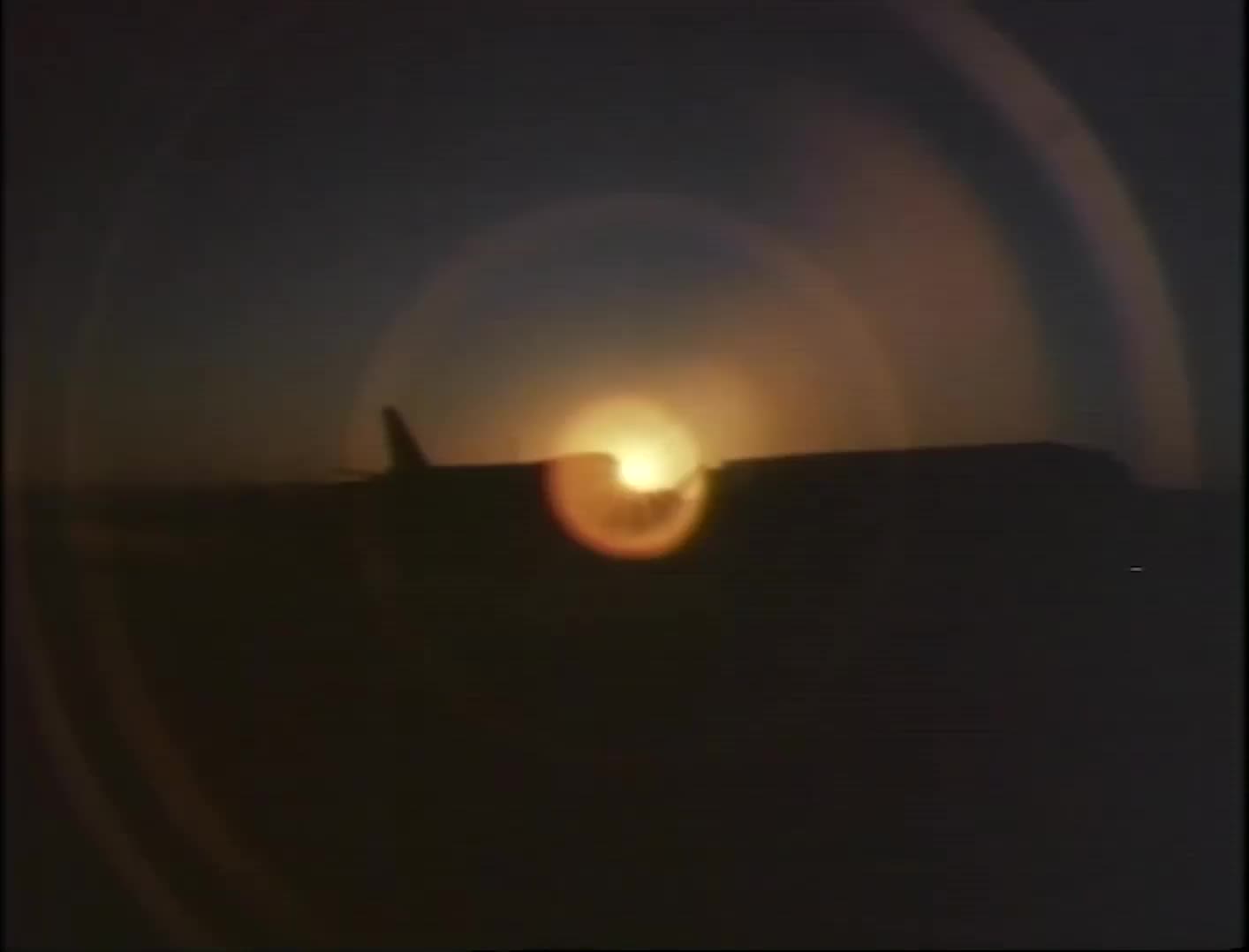
Clip from "To The Outer Limits" describes the five 747 aircraft assigned to their testing roles -- One from Boeing, three from Pan Am and one from TWA. (Courtesy The Boeing Company Archives).
Clip from "To The Outer Limits" describes the five 747 aircraft assigned to their testing roles -- One from Boeing, three from Pan Am and one from TWA. (Courtesy The Boeing Company Archives).
Ship 1 (RA-OO1) was to clear the 747 for flutter & probe its basic aerodynamics, including stalls.
Ship 2 (Pan Am) would do engines and systems testing.
Ship 3 (Pan Am) would fly structural tests.
Ship 4 (Pan Am)would do service testing.
Ship 5 (TWA) would also be involved in service testing.
Two 747 Air-Frames would also be sacrificed to “static testing,” intentionally destroyed to verify the 747's strength..
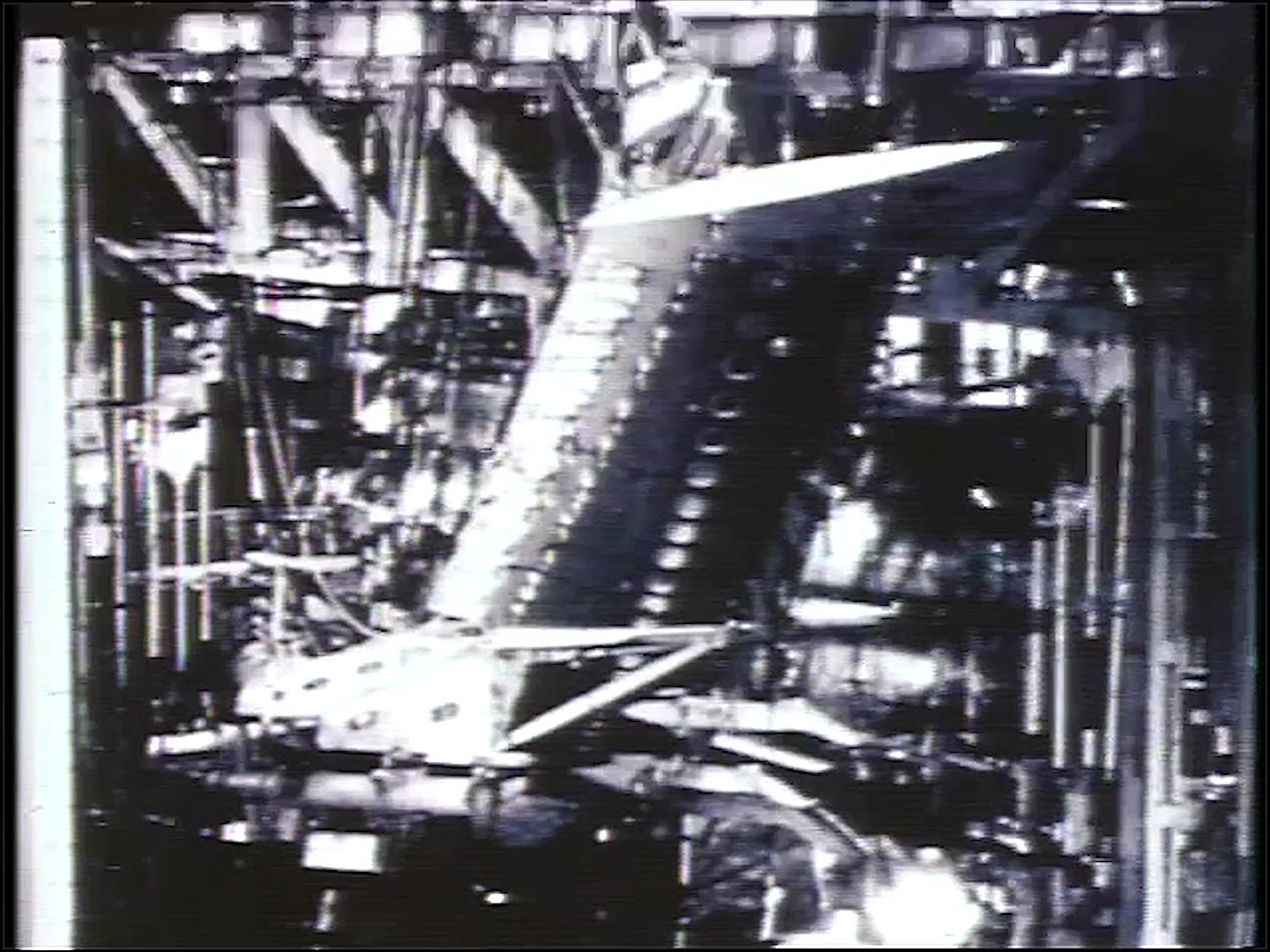
Two 747 airframes never actually flew. They were tested, eventually to the point of failure. Film clip from "To The Outer Limits" ( Courtesy of The Boeing Company Archive).
Two 747 airframes never actually flew. They were tested, eventually to the point of failure. Film clip from "To The Outer Limits" ( Courtesy of The Boeing Company Archive).
Pan Am's first 747 is flying... It's now in the test program, along with the Number One 747, the one with Boeing markings. Outside, the airplane looks ready for passengers; inside, it looks anything but. The cockpit is complete, of course, but what will be the First Class compartment is completely filled with instrumentation for the test program. The Economy sections are filled with water barrels to simulate the weight of passengers, baggage, mail and freight during various phases of the program.
April 1969, Pan Am "747 Newsletter," (University of Miami Special Collections).
FLIGHT TESTING BEGINS
The certification and flight testing of the Boeing 747 were completed in just ten months, an unprecedented achievement in commercial aviation. No other large passenger jet had matched that speed in earning government approval.
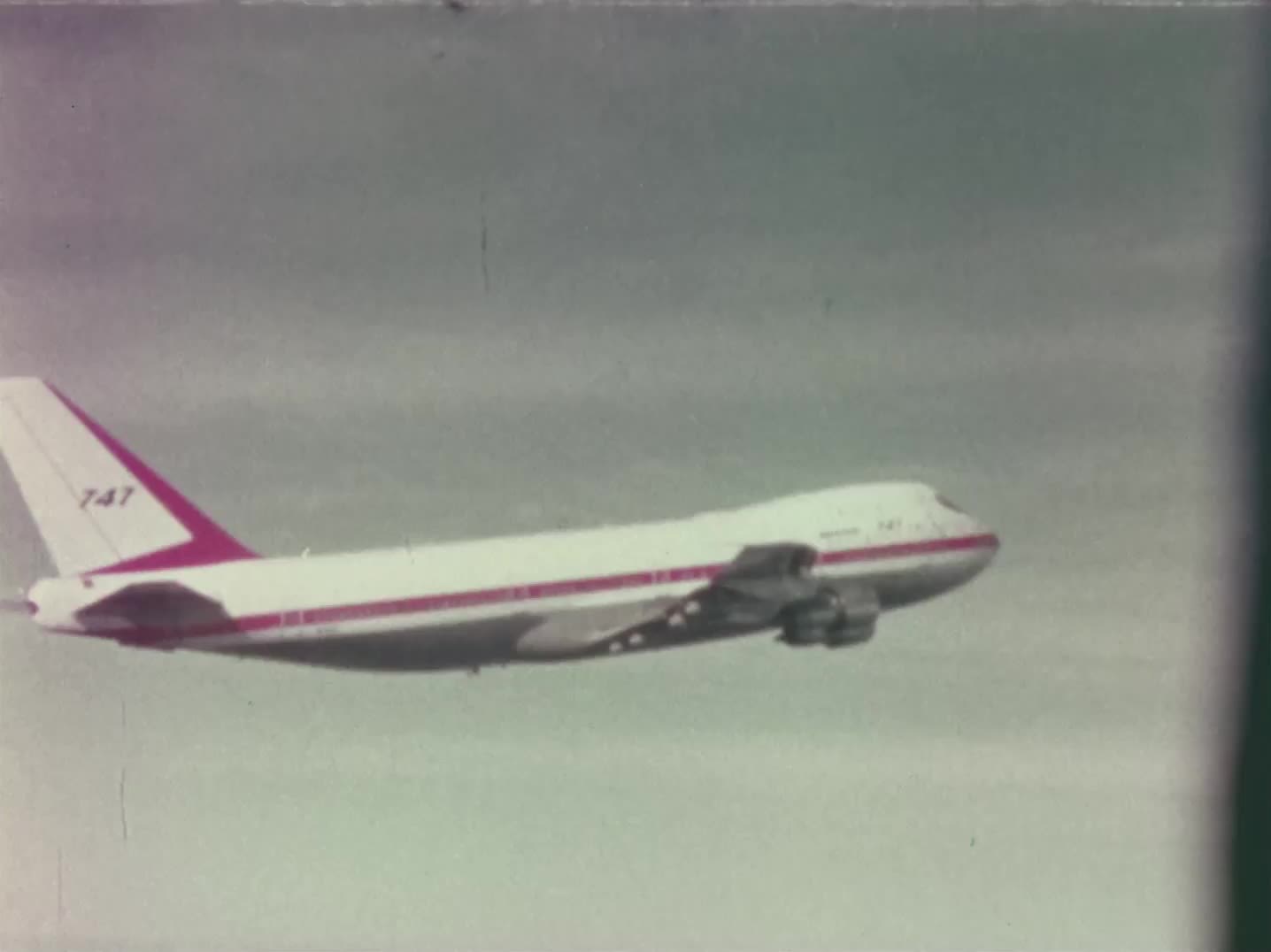
Aerodynamic stall test conducted by Boeing's first 747 RA-001 ("City of Everett"), from "The New Era," Boeing film (Pan Am Historical Foundation Film Collection).
Aerodynamic stall test conducted by Boeing's first 747 RA-001 ("City of Everett"), from "The New Era," Boeing film (Pan Am Historical Foundation Film Collection).
CHIEF TEST PILOT JACK WADDELL
Even before the first aircraft existed, Boeing's chief test pilot Jack Waddell was familiarizing himself with its ground handling characteristics. He prepared by using a mock cockpit on a thirty-foot rig atop a pickup truck, and practiced taxi maneuvers for the yet-to-be-completed “Jumbo Jet.”
His early assessment was reassuring: the 747 would be manageable on the ground. However, its massive size raised concerns about turning performance. Engineers resolved this by designing a steerable rear landing gear, allowing the big airplane to negotiate tighter taxiway turns.
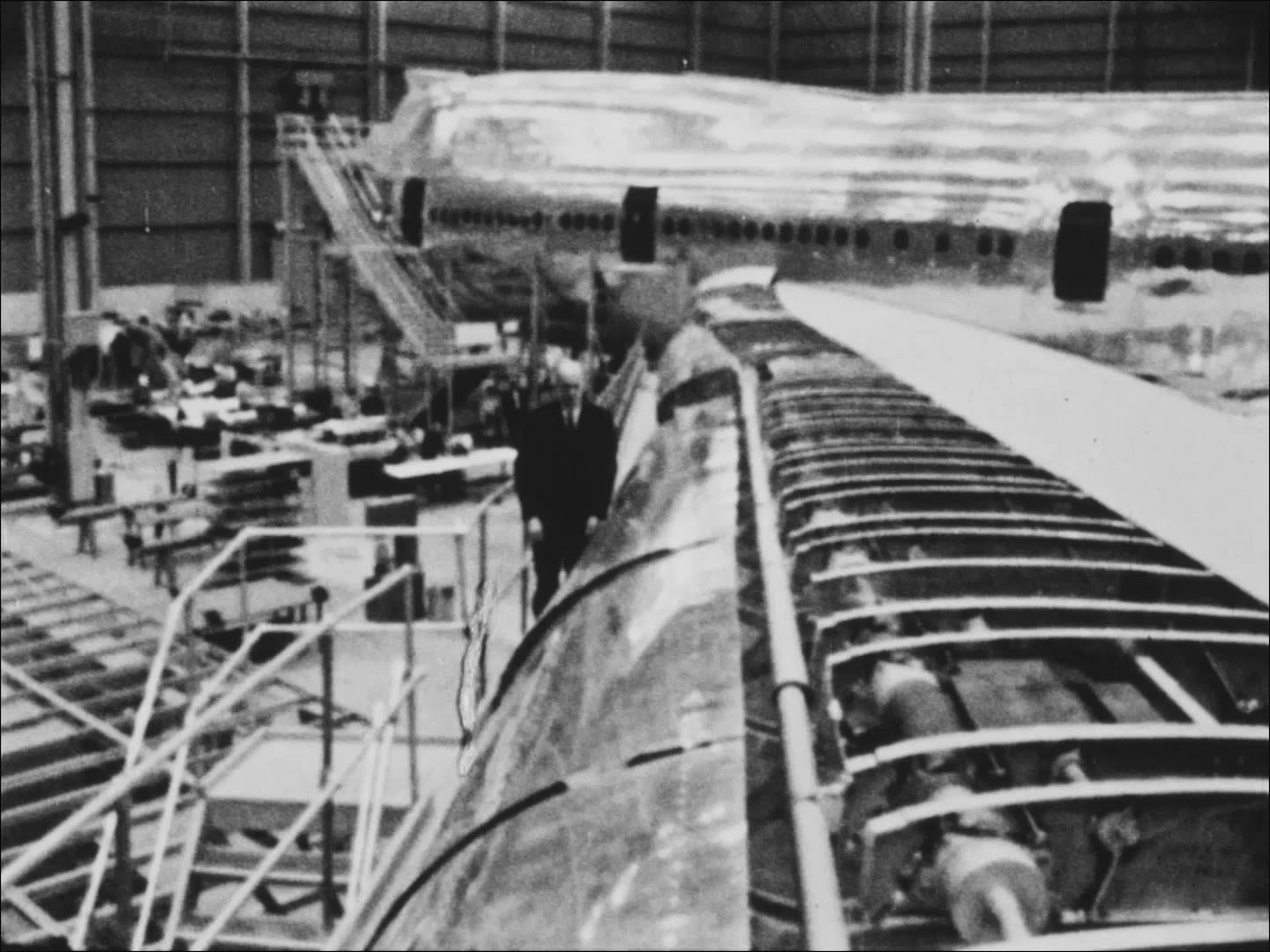
Chief Pilot Jack Waddell, from "The Superjet" (Pan Am Historical Foundation Collection).
Chief Pilot Jack Waddell, from "The Superjet" (Pan Am Historical Foundation Collection).
As flight testing began, the team methodically expanded the flight speed. They worked the aircraft up to its intended cruise speed of Mach 0.85—about 85 percent of the speed of sound, ensuring stability even at the outer limits of performance.
Weight tests followed, adding water-filled barrels as cargo to push the airplane to its maximum certified takeoff weight and test its handling under full load.
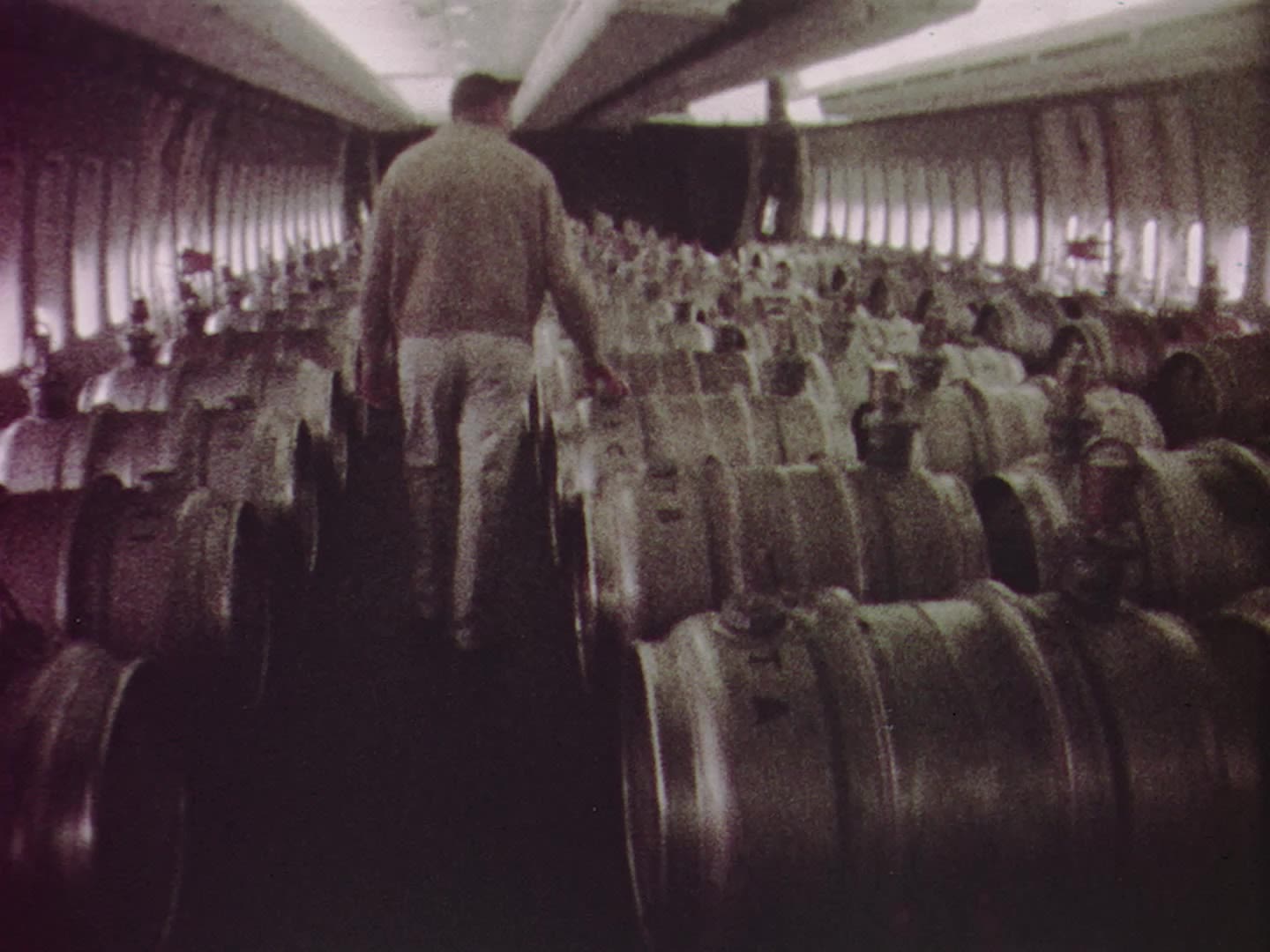
Barrels filled with water for weight tests, aboard 747s in the flight test program (Pan Am Historical Foundation Film Collection).
Barrels filled with water for weight tests, aboard 747s in the flight test program (Pan Am Historical Foundation Film Collection).
EDWARDS AIR FORCE BASE
The new Boeing 747s dedicated for the flight tests, including three of Pan Am's Superjets, flew to Edwards Air Force Base in California and to Roswell, New Mexico, along with other closer locations as needed, to test various conditions and capabilities.
From the "July 1969, Pan Am "747 Newsletter," (University of Miami Special Collections)."
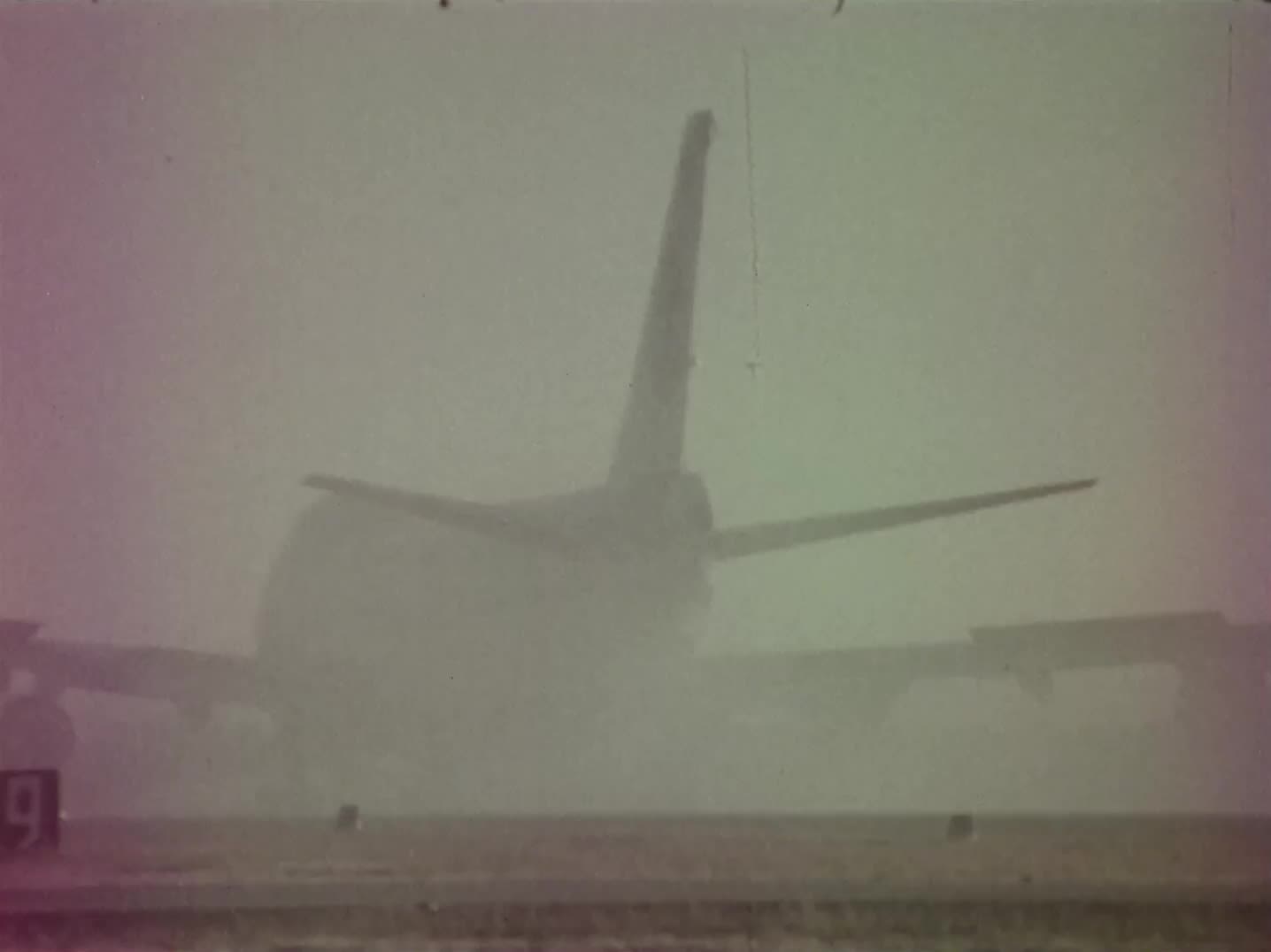
Boeing testing RA-001 at Edwards Air Force Base, from "The New Era," a Boeing film in Pan Am Historical Foundation Film Collection.
Boeing testing RA-001 at Edwards Air Force Base, from "The New Era," a Boeing film in Pan Am Historical Foundation Film Collection.
THE PARIS AIRSHOW
On May 10, 1969, N731PA had accumulated 10 hours' flight time. The Paris Air Show was coming up and Boeing wanted to have a 747 there. If any airplane was sent, N731PA was the logical one; it was the designated service-test airplane. Contrary to Clive Irving's book “Wide-Body,” Pan Am did not want the airplane to be exposed to this risk this soon. We certainly did not demand that the airplane be painted in Pan Am colors, as Irving states. It was, in fact, already in Pan Arn colors, except for the blue ball and Pan Am logo. The decision to go was entirely Boeing's..."
--Robert Blake, "The Durable Giant," PAHF Clipper News, Spring 2000.
747 before the trip to the Paris Airshow, June 1969 (Courtesy, San Diego Air & Space Museum on Flickr).
747 before the trip to the Paris Airshow, June 1969 (Courtesy, San Diego Air & Space Museum on Flickr).
June 1969. Boeing selected its test aircraft, N731PA, equipped with the most reliable JT9Ds available, for a high-profile public debut at the Paris Air Show. Following a successful non-stop test flight from Seattle to New York and back, Waddell cleared the mission.
The transatlantic journey showcased the 747’s advanced Inertial Navigation System (INS), capable of guiding the aircraft without external radio aids—a cutting-edge feature of its time.
NAVIGATION SYSTEM UNDER DEVELOPMENT
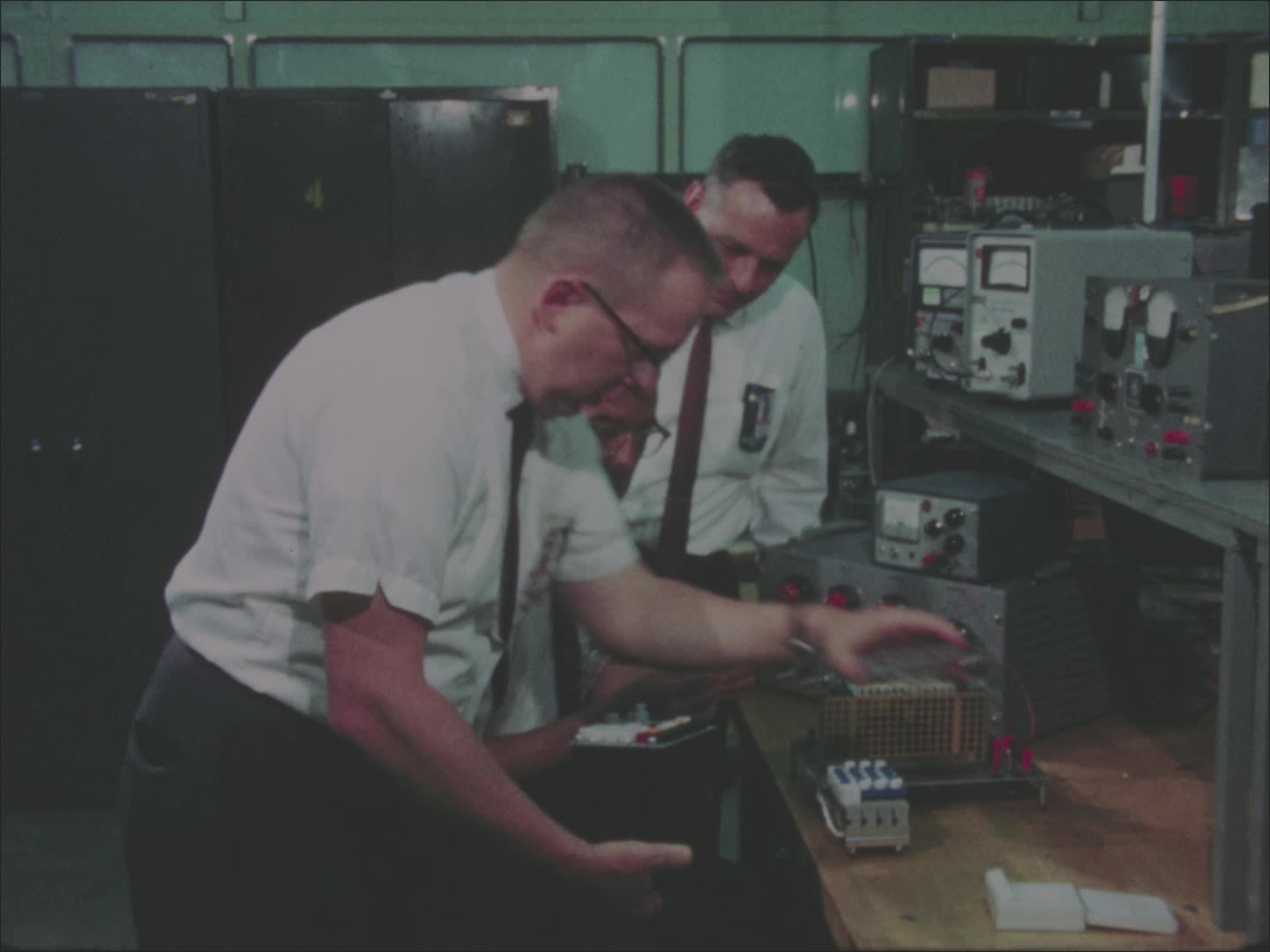
The Inertial Navigation system under development, from "The Superjet" (Pan Am Historical Foundation Collection.)
The Inertial Navigation system under development, from "The Superjet" (Pan Am Historical Foundation Collection.)
Crowds admire the Boeing 747 that flew from Seattle to attend the Paris Airshow in June 1969 (Courtesy Boeing Company Archive).
Crowds admire the Boeing 747 that flew from Seattle to attend the Paris Airshow in June 1969 (Courtesy Boeing Company Archive).
The arrival at Paris–Le Bourget Airfield became a defining moment. As the cloud layer lifted, the 747 executed a sweeping low pass before touching down. On the apron, it was positioned beside the slender new Anglo-French Concorde, making the contrast between the two aircraft unmistakable.
PAN AM TRAINING
"Training — getting Pan Am's ground peoples used to the equipment — is the word now. The goods have been ordered; the first phase of 747 handling has been decided upon; the race is turning into the home stretch."
May 1969, Pan Am "747 Newsletter," (University of Miami Special Collections).
MAINTENANCE
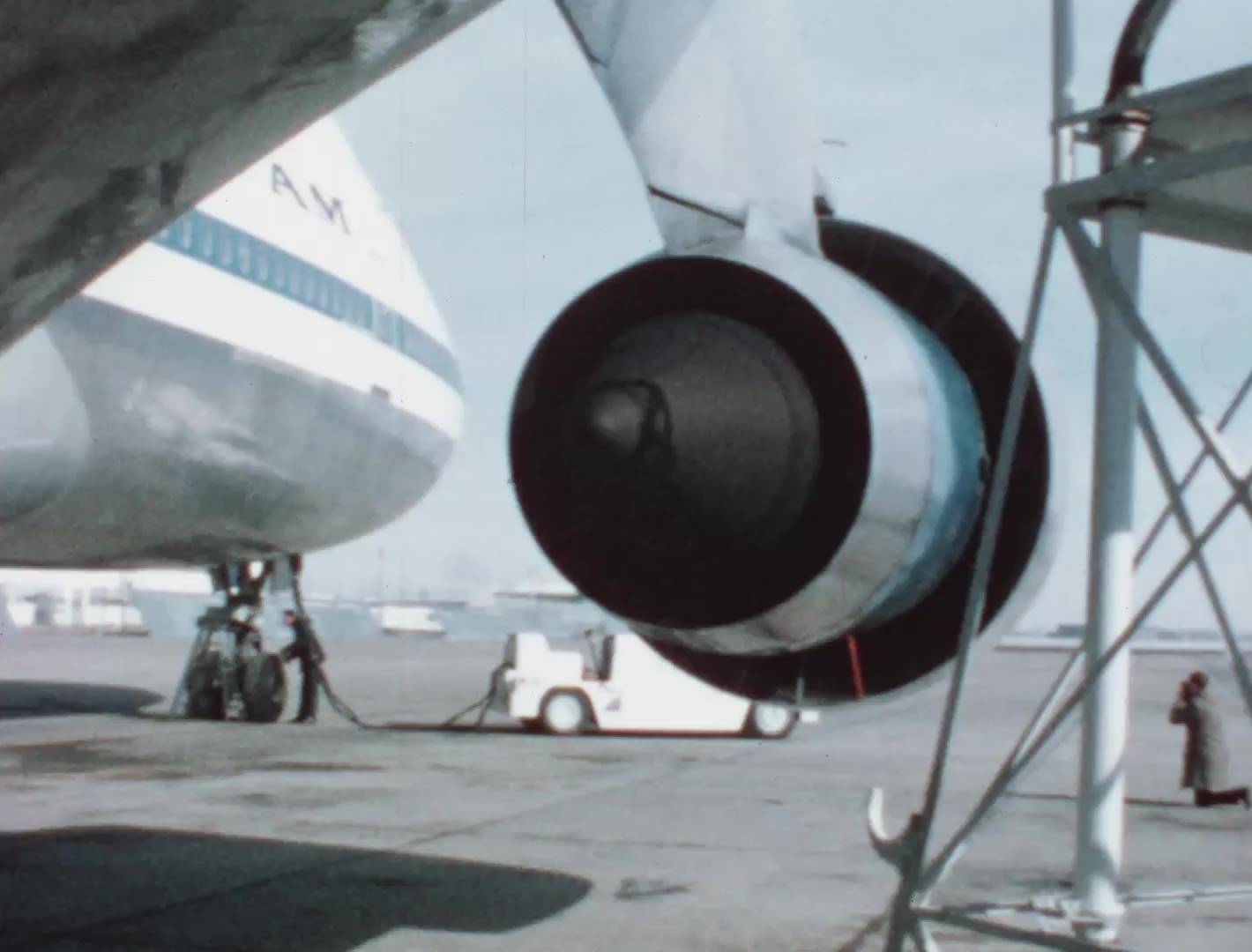
At Roswell, New Mexico, Maintenance was getting acquainted with the new 747 wheels. (Richard Boucher Collection/Pan Am Historical Foundation).
At Roswell, New Mexico, Maintenance was getting acquainted with the new 747 wheels. (Richard Boucher Collection/Pan Am Historical Foundation).
PILOT TRAINING
"At Roswell, NM... Pan American World Airways' pilots undergo four to eight hours of flight time in the 747 before being rated on the aircraft by a Federal Aviation Administration inspector. Capt. James C. Waugh (r)... Pan Am's Chief Pilot at Roswell, observes a pilot-trainee run through a check list prior to a training flight" (Pan Am Press Photo, Pan Am Historical Foundation Collection).
"At Roswell, NM... Pan American World Airways' pilots undergo four to eight hours of flight time in the 747 before being rated on the aircraft by a Federal Aviation Administration inspector. Capt. James C. Waugh (r)... Pan Am's Chief Pilot at Roswell, observes a pilot-trainee run through a check list prior to a training flight" (Pan Am Press Photo, Pan Am Historical Foundation Collection).
PROCEDURES TRAINING MOCKUP
Procedures Training Mockups show pilots 747 details on the instrument panels University of Miami Special Collections).
Procedures Training Mockups show pilots 747 details on the instrument panels University of Miami Special Collections).
" 'FINGERWISE FAMILIARIZATION'...of the 747 cockpit is mastered in the Procedures Training Mockup. The PIM, which details the cockpit in blueprint form, is used to drill pilot-trainees on the various check lists as well as familiarize them with the location of the many dials, gauges and switches on the instrument panels." (Pan Am Press Release, University of Miami Special Collections).
SIMULATED INSTRUMENT LANDING APPROACH
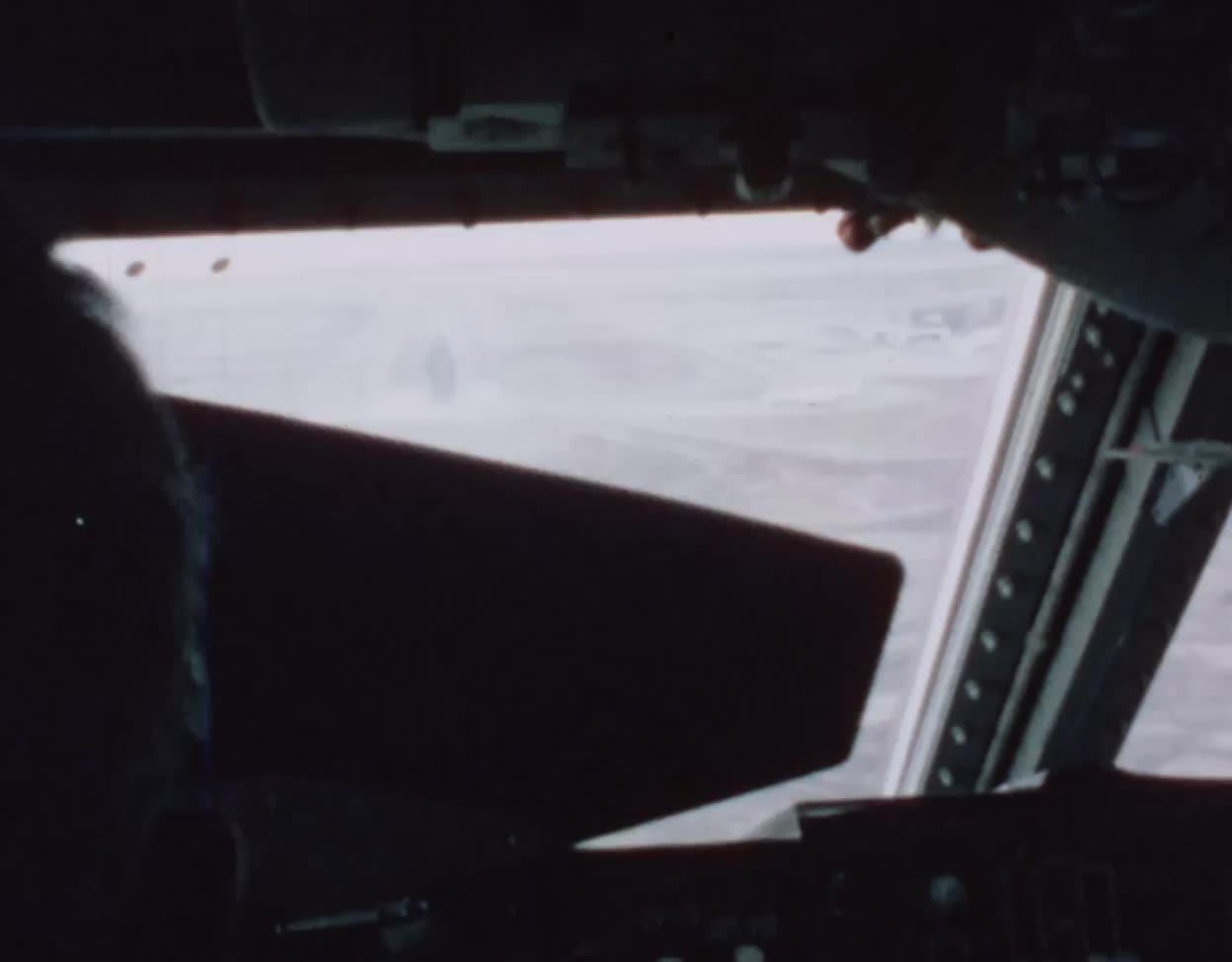
Pilot training at Roswell, NM. Pan Am Landing as seen from the 747 cockpit (Richard Boucher Collection/Pan Am Historical Foundation Collection).
Pilot training at Roswell, NM. Pan Am Landing as seen from the 747 cockpit (Richard Boucher Collection/Pan Am Historical Foundation Collection).
THOROUGH PREPARATION FOR
FLIGHT CREWS
For flight crews, all training prior to November 1969 was in classrooms and flight simulators. The initial pilots and flight engineer group was drawn from Pan Am’s most experienced crews, who came to the 747 with an average of eight years of flying in jet aircraft and a further average of about twenty years prior to that. No matter what their prior experience, all received the same exhaustive course: starting with a 16-day ground school course, followed by four days of procedural training in a mock cockpit. Next was the often difficult FAA oral exam. The pilot or engineer in the ‘hot seat’ had better have the answers at their fingertips!
Pan Am President Najeeb Halaby at The Boeing Company on his tour of the 747, standing by the Conductron, Boeing's 747 flight simulator ("Clipper Cockpit," November 1969, p. 7, University of Miami Special Collections).
Pan Am President Najeeb Halaby at The Boeing Company on his tour of the 747, standing by the Conductron, Boeing's 747 flight simulator ("Clipper Cockpit," November 1969, p. 7, University of Miami Special Collections).
Once past that hurdle, it was on to the flight simulator for another 16 hours of very realistic “flying” where the name of the game was usually managing various challenges to normal operating procedures.
Finally, after all these preliminaries were completed, the new 747 pilot would get some actual flight time in the real thing, averaging 12 hours to check out as a full-fledged Pan Am 747 captain or flight engineer.
THE ACCEPTABILITY FLIGHT
November 26, 1969
CAPT. SCOTT FLOWER WAS ONE OF PAN AM'S MOST EXPERIENCED PILOTS
Scott Flower (left) with fellow pilots on the first 707 jet cargo flight from Miami to San Juan Puerto Rico, 1958. (Pan American Clipper, September 1958, p. 8., University of Miami Special Collections).
Scott Flower (left) with fellow pilots on the first 707 jet cargo flight from Miami to San Juan Puerto Rico, 1958. (Pan American Clipper, September 1958, p. 8., University of Miami Special Collections).
"Chief Pilot-Technical, for the last several months Capt. Flower has made his headquarters in Seattle working on development of the 747, giving particular attention to the cockpit, of which he was a principal designer. In his new role as Director-Flight Research, reporting to Chief Engineer John Borger, Capt.Flower will continue his current assignment until the company accepts its first 747."
"Clipper Cockpit," August 1969 (University of Miami Special Collections).
LISTEN
THE ONBOARD EXPERIENCE OF AN OBSERVER DURING THE FLIGHT
NOVEMBER 26, 1969
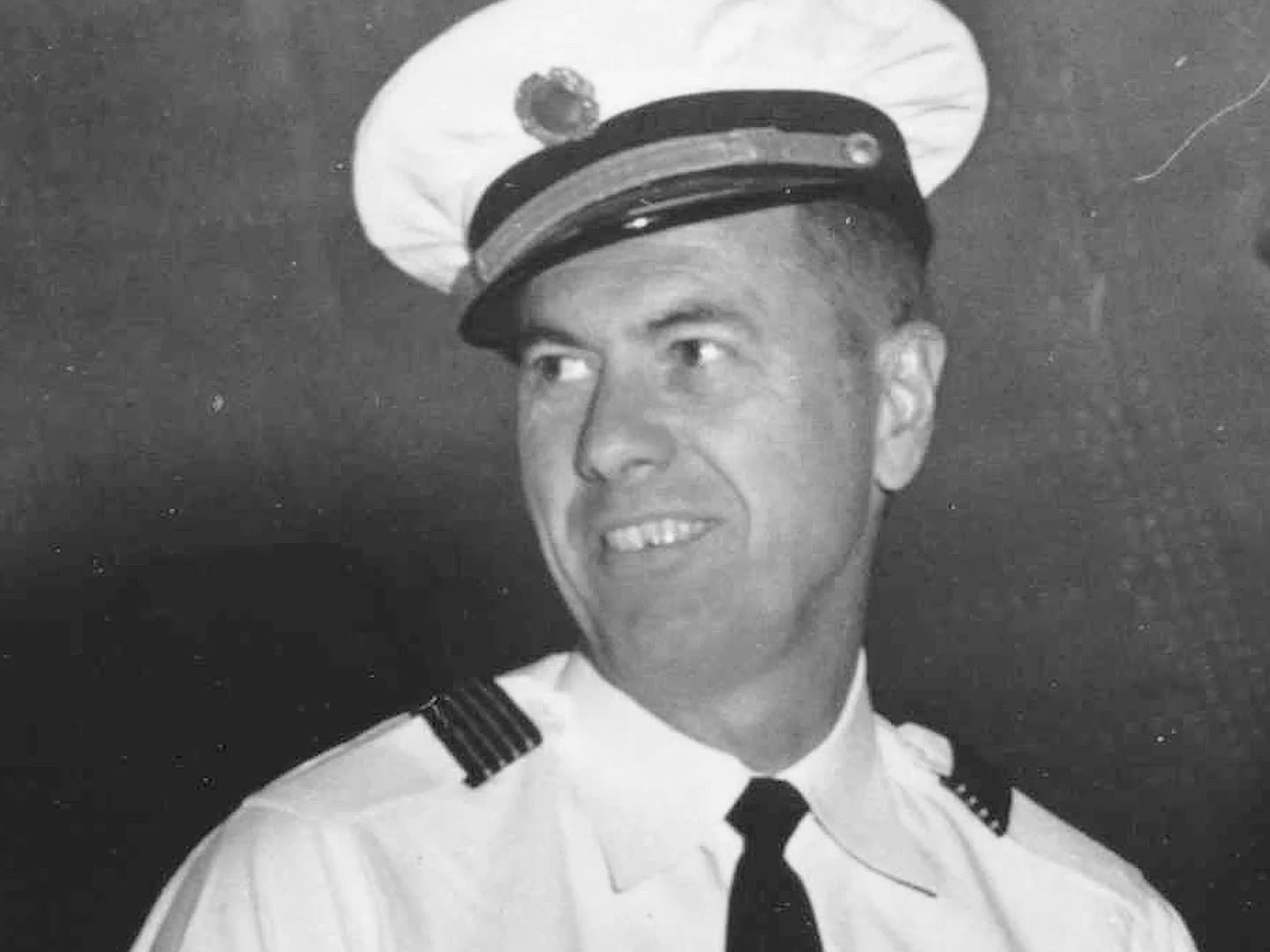
Voiced excerpts from a story by Bryce Miller and the experience onboard "Clipper Young America" piloted by Pan Am Captain Scott Flower on Pan Am's November 26, 1969 Acceptability Flight. (Pan American Clipper, December 8, 1969, p. 2., University of Miami Special Collections).
Voiced excerpts from a story by Bryce Miller and the experience onboard "Clipper Young America" piloted by Pan Am Captain Scott Flower on Pan Am's November 26, 1969 Acceptability Flight. (Pan American Clipper, December 8, 1969, p. 2., University of Miami Special Collections).
DECEMBER 1969
THE 747 DEBUTS !
Pan Am 747 Press Flight lands at JFK, December 2, 1969, shown on the cover of the "Pan Am Clipper," December 8, 1969 (University of Miami Special Collections).
Pan Am 747 Press Flight lands at JFK, December 2, 1969, shown on the cover of the "Pan Am Clipper," December 8, 1969 (University of Miami Special Collections).
PRESS FLIGHT
TO NEW YORK CITY
December 2, 1969
Chief Test Pilot Jack Waddell made a cross-country flight from Seattle and touched down at JFK in New York for the first time on December 2, 1969 with provisional certification.
The 747 in Pan Am colors carried 100+ members of the press. Also on hand to greet the plane were executives and personnel, including Charles Lindbergh, to acquaint themselves with the new widebody and test noise levels at takeoff and landing.
PAN AM 747 DELIVERY
SEATTLE — NASSAU — NEW YORK
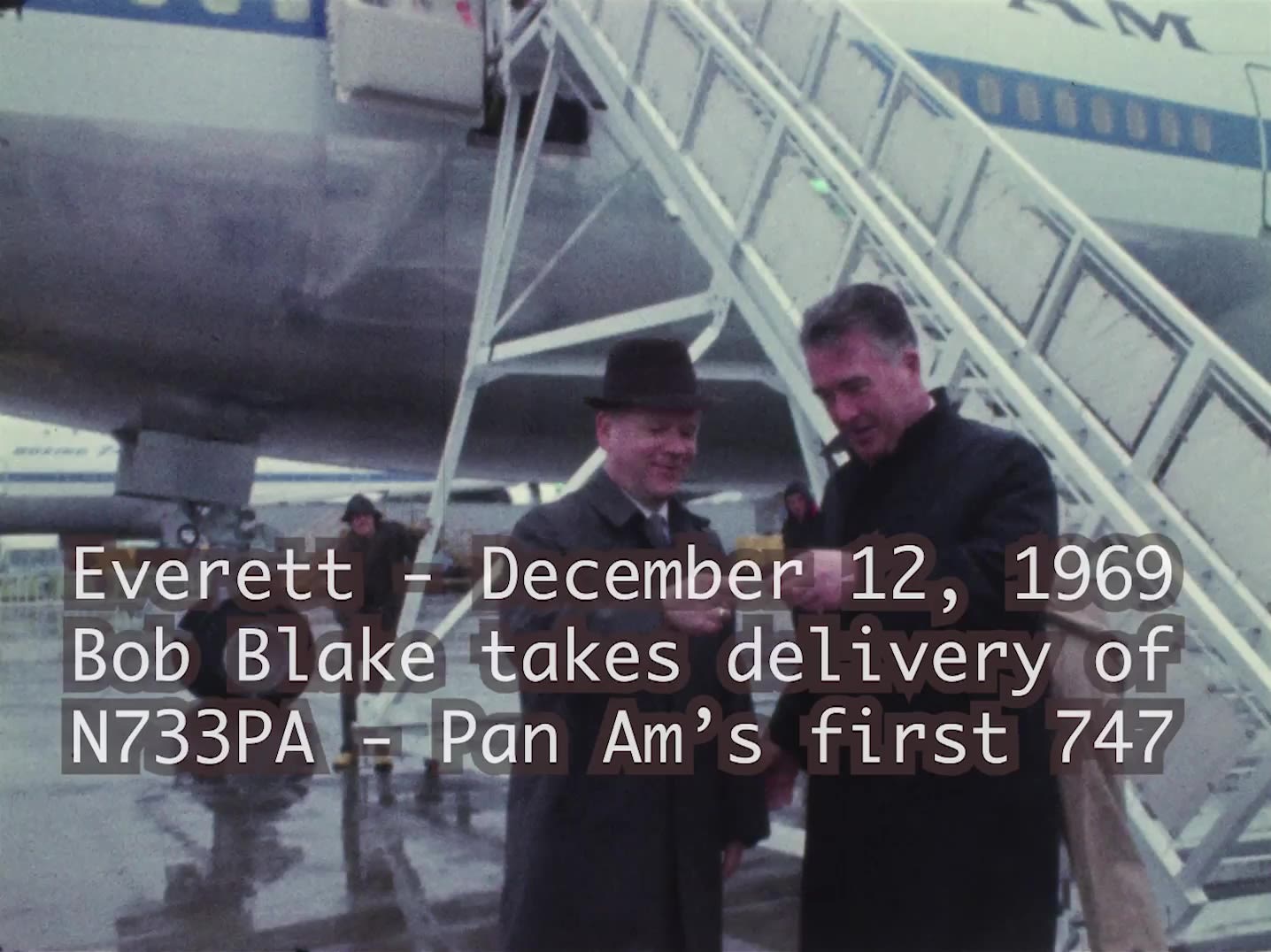
Robert Blake, Pan Am Representative at Boeing, takes delivery of Pan Am's first 747, N733PA on December, 12, 1969, flying to Nassau, Bahamas and then to JFK in New York City, tin the early hours the following day.
Robert Blake, Pan Am Representative at Boeing, takes delivery of Pan Am's first 747, N733PA on December, 12, 1969, flying to Nassau, Bahamas and then to JFK in New York City, tin the early hours the following day.
View of the first 747 (N733PA) delivered to Pan Am. Cover photo taken December 14, 1969 at JFK. ("Pan Am Clipper," December 22, 1969, University of Miami Special Collections).
View of the first 747 (N733PA) delivered to Pan Am. Cover photo taken December 14, 1969 at JFK. ("Pan Am Clipper," December 22, 1969, University of Miami Special Collections).
FAA CERTIFICATION
December 30, 1969. A 747 flew FAA administrators to London.
December 31, 1969. The FAA officially granted the 747 its type certificate.
With regulatory approval in hand, Boeing was free to begin deliveries of what would soon become the world’s first “Jumbo Jet”—a landmark achievement that forever changed the scale of commercial air travel.
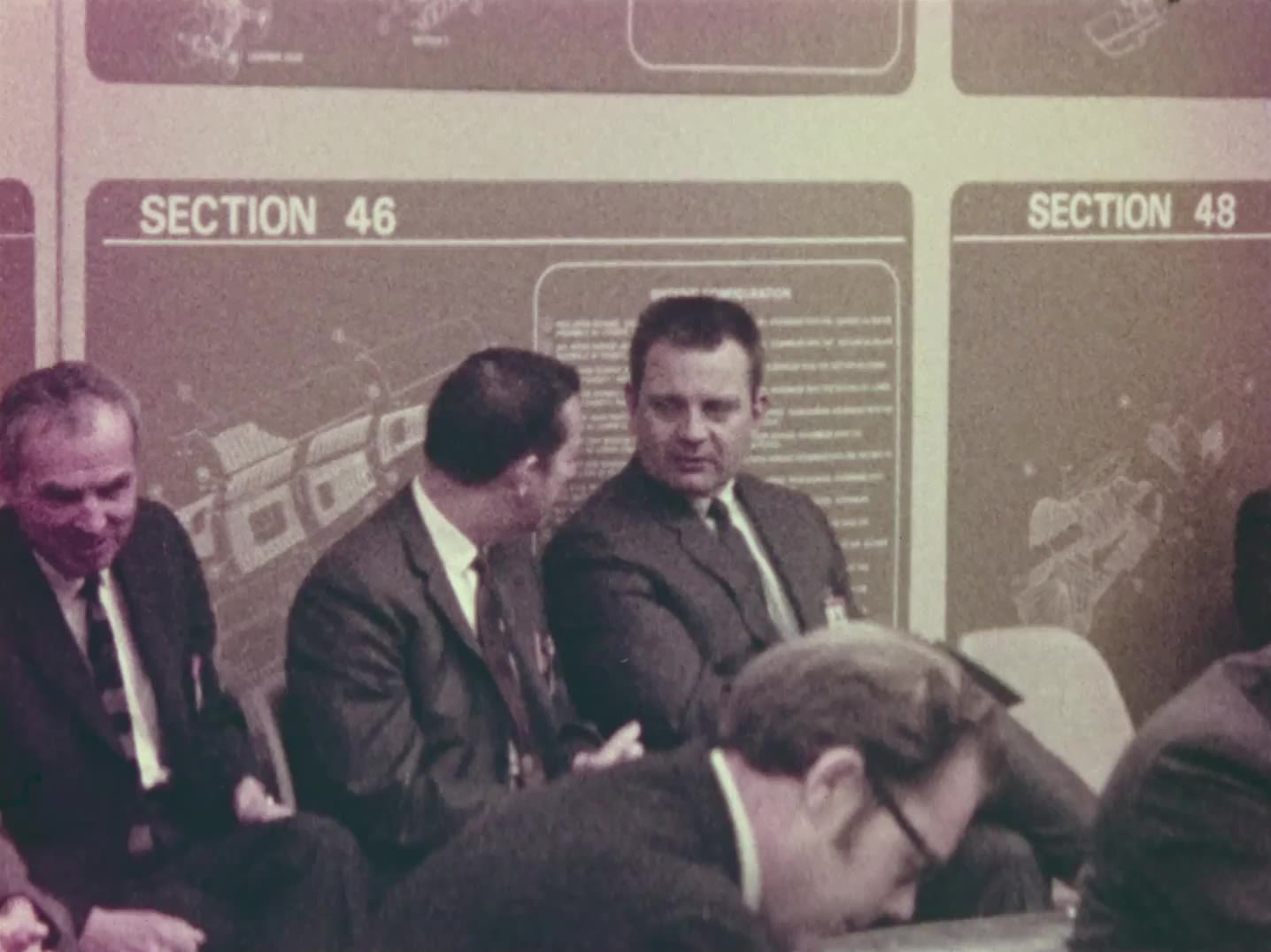
FAA Ceremony at Boeing awarding the Airplane Type Certificate for 747, December 31, 1969 (Boeing film,"New Era" in Pan Am Historical Foundation Film Collection).
FAA Ceremony at Boeing awarding the Airplane Type Certificate for 747, December 31, 1969 (Boeing film,"New Era" in Pan Am Historical Foundation Film Collection).
EXPLORE MORE PAN AM HISTORY !
JOIN US !
 Built with Shorthand